Reposted from Heal Palestine

Zakat is one of the most important practices in Islam because it brings together faith, fairness, and social responsibility. It is not only an act of worship. It is a system designed to protect the vulnerable, strengthen communities, and reduce inequality. At HEAL Palestine, zakat plays an essential role within our five pillars of support, which include health, education, aid, leadership, and community development. Although we are a non-political and non religious humanitarian organization, we recognize that many donors wish to fulfill their zakat obligation in a way that directly uplifts those who need help the most.
In the Palestinian context, zakat becomes not only a religious duty but also a direct pathway to restoring dignity for families who have lost homes, livelihoods, and access to basic services. Communities in Gaza and the West Bank face ongoing hardship such as food shortages, medical emergencies, limited access to clean water, and the displacement of entire families. Zakat allows compassionate individuals to respond to these conditions with structured and ethical giving that supports the poor, the sick, orphans, and those living through crisis.
Through our zakat compliant programs, HEAL Palestine ensures that every contribution reaches eligible recipients with full transparency. This allows donors to fulfill a sacred obligation while also providing life saving relief to families who need it urgently.
What Is Zakat and Why It Matters
Zakat is defined in the Quran as an obligatory contribution that purifies wealth and supports social balance. It is rooted in Surah At Tawbah 9.60, which outlines the eight categories of people who qualify to receive it. Zakat is both a spiritual practice and a social system. It reduces economic hardship, strengthens communal ties, and ensures that vulnerable individuals are never left without support.
It is helpful to distinguish zakat from other forms of giving.
Zakat is mandatory for those who meet the criteria. It is calculated annually and directed to those who fall under the eight categories established in Islamic law.
Sadaqa is voluntary charity that can be given at any time to anyone in need.
Sadaqa jariyah is a continuous charity that supports long term benefits, such as education or healthcare projects that help people for many years.
All forms of giving aim to uplift individuals and strengthen communities. Zakat, however, has a unique structure because it specifically targets poverty, debt relief, and other forms of hardship. When carried out correctly, zakat does more than meet immediate needs. It creates stability, restores dignity, and promotes social justice.
Zakat Rules and Eligibility
Zakat becomes obligatory for any Muslim who possesses wealth above the nisab threshold for one full lunar year. The nisab is the minimum amount of wealth that makes a person liable for zakat. It is traditionally calculated according to the value of 85 grams of 24K gold. If an individual’s qualifying assets exceed this amount, they must pay 2.5 percent of that wealth as zakat.
Zakat applies to several types of assets. This includes cash, savings, gold, silver, investments, shares, bonds, business inventory, business income, and rental or commercial earnings. It may also include receivables that are expected to be paid back. Essential personal items such as a home, a car used for daily life, and household goods are not zakatable.
The recipients of zakat are defined in eight categories. They include the poor, the needy, zakat administrators, those in debt, those in bondage, new Muslims who require support, travelers in difficulty, and those who qualify under the broad category of work carried out in the cause of God which includes humanitarian relief. HEAL Palestine distributes zakat only within the eligible categories and prioritizes families facing extreme poverty, medical emergencies, food insecurity, homelessness, and the needs of orphans and widowed mothers.
Zakat for Palestine
Zakat holds particular significance for regions living through crisis. In Gaza and the West Bank, many families fall under several zakat eligible categories due to displacement, loss of income, chronic medical needs, and unstable living conditions. Widespread damage to infrastructure and continuous shortages of electricity, clean water, and medical supplies create urgent humanitarian needs that align with the core purpose of zakat.
Zakat funds help provide emergency medical treatment, food parcels for families facing shortages, nutritional support for children, and assistance for orphans who have lost parents in the conflict. Many families carry debts related to medical care or the rebuilding of damaged homes. Many are considered poor or needy according to Islamic criteria. These conditions make zakat a vital source of help.
HEAL Palestine ensures that zakat contributions reach families who qualify under Islamic guidelines. Our approach is factual, transparent, and focused on integrity. Zakat is not only a religious obligation. It is a lifeline that supports Palestinians who are struggling to recover from hardship and rebuild their lives with dignity and hope.
How Zakat Supports Education and Healthcare
Zakat for education and zakat healthcare are two of the most impactful ways Muslim donors can uplift communities facing hardship. In the Palestinian context, where families continue to navigate displacement, restricted movement, and the long-term effects of conflict, these two areas are essential for stability and dignity.
Zakat for Education
Education is a central pillar of Palestinian culture, valued across Muslim, Christian, and other communities as a path to dignity, self-reliance, and cultural continuity. Families prioritize schooling even during times of crisis, and students often persevere through power outages, overcrowded classrooms, and limited resources.
Zakat designated for education can support:
Access to schooling, including fees when applicable and support for families who cannot afford basic costs.
School supplies and uniforms, which many displaced or impoverished families struggle to provide.
Scholarships for university students who have the academic ability but lack financial means.
Rebuilding and repairing educational spaces, especially in areas where schools have been damaged or repurposed as shelters.
By fulfilling the Quranic principle of aiding those in need, zakat for education empowers young Palestinians to continue learning despite disruptions, keeping alive the traditions of academic excellence and cultural resilience that the community is known for.
Zakat for Healthcare
Healthcare access is a critical need for Palestinians, especially in Gaza where medical resources are limited due to movement restrictions, infrastructure challenges, and high rates of injury, chronic illness, and malnutrition. Zakat healthcare contributions play a direct and measurable role in protecting life, which is a core objective of Islamic charitable ethics.
Zakat funds can provide:
Emergency medical services for injured patients.
Essential medicines and medical equipment, often in short supply.
Support for surgeries and specialized treatments, especially for children, cancer patients, and trauma cases.
Community health services, including maternal care, mental health support, and disability services.
Because many Palestinian families fall within the Quranic categories of the poor, the needy, or the debt-burdened, healthcare assistance funded through zakat directly fulfills religious criteria while promoting long-term resilience.
Seasonal Zakat Giving Moments
Muslims around the world practice zakat throughout the year, but certain times hold deeper spiritual meaning. Palestinian communities, whether Muslim or Christian, mark the seasons with cultural traditions, family gatherings, and acts of generosity. During Islamic occasions, giving increases as a reflection of gratitude, empathy, and communal responsibility.
Ramadan Zakat
Ramadan is the month in which charitable giving peaks globally. Many Muslims prefer to settle their annual zakat during this time, believing that spiritual rewards are multiplied and that supporting those in hardship aligns with the values of fasting and reflection. In Palestine, Ramadan is both a sacred month and a time when needs intensify, particularly for food, medical care, and support for families observing the fast under difficult conditions.
Eid Zakat (Zakat al-Fitr and Eid al-Adha Giving)
Zakat al-Fitr, given at the end of Ramadan, ensures that all families can celebrate Eid with dignity.
Eid al-Adha giving, while not zakat, often accompanies increased charitable support directed toward families in need.
These holidays are celebrated by Palestinian Muslims across the region and in the diaspora, each contributing to a shared sense of community and cultural continuity.
End-of-Year Zakat
Many donors choose to pay zakat at the end of the Gregorian year for financial clarity, aligning it with accounting cycles. This period also coincides with winter in Palestine, when needs rise for shelter, heating, medical support, and food assistance.
Using a Zakat Calculator
A zakat calculator is a practical tool to help donors determine the correct amount owed according to Islamic principles. It reduces uncertainty and helps ensure that zakat is paid accurately and responsibly.
HEAL Palestine's Zakat calculation method is based on the Zakat Calculator provided by the Zakat Foundation of America. Input the current gold price per 1 gram to determine the Nissab threashold. The Nisab threshold is determined by the value of 85g of 24K gold.
Purpose of a Zakat Calculator
The calculator simplifies the process by:
Collecting all zakatable assets in one place.
Applying the 2.5% zakat rate to eligible amounts.
Ensuring donors meet the nisab threshold, the minimum amount of wealth required before zakat becomes obligatory.
Understanding the Nisab Threshold
Nisab is measured by the value of 85 grams of 24K gold. If a person’s zakatable assets exceed this amount for one lunar year, zakat becomes obligatory.
Who Needs to Pay Zakat
A person must pay zakat if:
They are an adult Muslim.
They possess wealth above the nisab threshold for a full lunar year.
Their wealth includes eligible zakatable assets such as savings, gold, investments, and certain business assets.
Which Assets the Calculator Covers
The HEAL Palestine zakat calculator is modeled on the method of the Zakat Foundation of America and includes:
Cash and savings
Gold and silver
Stocks, bonds, and investments
Business inventory and receivables
Dividends and rental income
Retirement accounts
Real estate intended for sale
Ensuring Accurate Calculation
To calculate zakat accurately:
Use the current gold price per gram, which determines nisab.
Enter each asset category carefully.
Subtract immediate debts and obligations allowed under zakat rules.
Review the full list of categories before submitting.
This approach ensures donors meet their religious obligation with clarity and confidence while supporting families who qualify for zakat under the Quranic categories.
The Meaning of Sadaqa and Sadaqa Jariyah
Sadaqa is a voluntary act of giving practiced by Muslims throughout the year. It reflects generosity, compassion, and concern for the well-being of others. Unlike zakat, which is an obligatory form of almsgiving tied to specific rules and categories, sadaqa can be given in any amount and at any time. Many Palestinian families, regardless of religion, value traditions of charity and mutual support. These values appear in community meals, neighborhood solidarity, and shared cultural practices that help families endure difficult times.
Sadaqa Jariyah refers to continuous charity that provides ongoing benefit. It is often described as a form of giving that continues to generate reward every time someone benefits from it. While zakat addresses immediate needs such as poverty, debt, or hunger, sadaqa jariyah focuses on long-term improvements that uplift communities across generations.
Examples of sadaqa jariyah that support Palestinian community rebuilding include:
Constructing or repairing classrooms that serve children year after year.
Supporting vocational training that helps youth gain long-term employment.
Providing medical equipment that benefits patients across many months.
Funding clean water solutions or sanitation systems in underserved areas.
Supporting arts and cultural programs that preserve heritage and give children safe spaces to learn and express themselves.
In a context where hospitals, schools, cultural centers, and public spaces have been damaged or strained, sadaqa jariyah contributes to restoring essential structures that Palestinian communities rely on. It reinforces dignity, resilience, and the hope of a stable future.
How to Give Zakat and Ensure Compliance
Giving zakat responsibly involves choosing a charity that can distribute funds correctly, transparently, and in alignment with the eight eligible categories described in Surah At-Tawbah 9:60. Donors often seek assurance that their contributions reach people who qualify and that programs respect the religious guidelines associated with zakat.
What to Look for in a Charity That Accepts Zakat
A trustworthy zakat receiving organization should have:
Clear eligibility criteria identifying the poor, the needy, orphans, displaced persons, and others who qualify.
A dedicated zakat fund that ensures contributions are not mixed with general donations.
Transparent reporting, including how funds are allocated and which types of aid qualify under zakat rules.
On the ground access, allowing aid teams to verify needs and deliver assistance directly to families.
Strong governance and oversight, ensuring accountability, documentation, and compliance with ethical and legal standards.
Transparency, Governance, and Eligible Programming
Transparency is essential for fulfilling religious obligations with confidence. Donors should confirm that:
Aid programs directly benefit eligible zakat recipients.
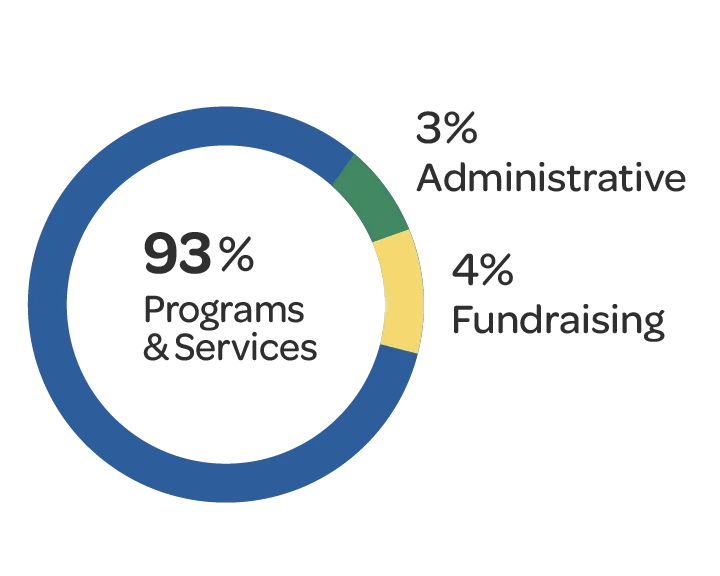
Administrative costs related to zakat distribution are in line with accepted standards or clearly stated as zero percent if a one hundred percent policy is in place.
Reporting is accessible and easy to understand.
There is a clear separation between zakat funds and other forms of charitable giving such as sadaqa or general donations.
Eligible programming for zakat in the Palestinian context typically includes emergency medical care, food security, support for displaced families, orphan assistance, and aid for households living below the poverty line. When delivered responsibly, these programs align with multiple Quranic categories for zakat recipients.
Giving Zakat with Confidence and Care
When giving zakat, most donors want one simple reassurance, that their contribution will reach people who truly qualify and that it will be used exactly as intended. A trustworthy charity should offer clear eligibility criteria, dedicated zakat funds, and transparent reporting so donors know their gift is handled with integrity.
By giving your zakat through HEAL Palestine, you help deliver essential aid to people who need it most. Your support strengthens health, safety, and dignity for vulnerable communities.
If you would like to stay connected, you can join our newsletter to receive updates and see the impact your generosity creates throughout the year.