How Zakat Foundation of America Helped Plant a Future in Palestine

58olive tree blog main image

Amal lives in the rural hills of the West Bank, Palestine, where olive trees are deeply woven into the identity, culture, and survival of these families. Through generations, these trees have symbolized a deeply rooted connection to the land. Today, they also represent something new for Amal; a pathway toward stability, dignity, and long-term food security for her children. 

Amal, a mother of six, endured profound hardship with the loss of her son after a long illness; an experience she describes as dividing her life into “before and after.” She now cares for children facing serious health challenges, including one son with night blindness and another living with Type 1 diabetes. After her husband suffered a stroke and became unable to work, the responsibility of sustaining the family fell entirely on her. Despite this, she held onto one asset: a small inherited piece of farmland. 

I don’t ask for abundance,” Amal said. “Only enough. Enough to feed us. Enough to keep dignity alive.” 

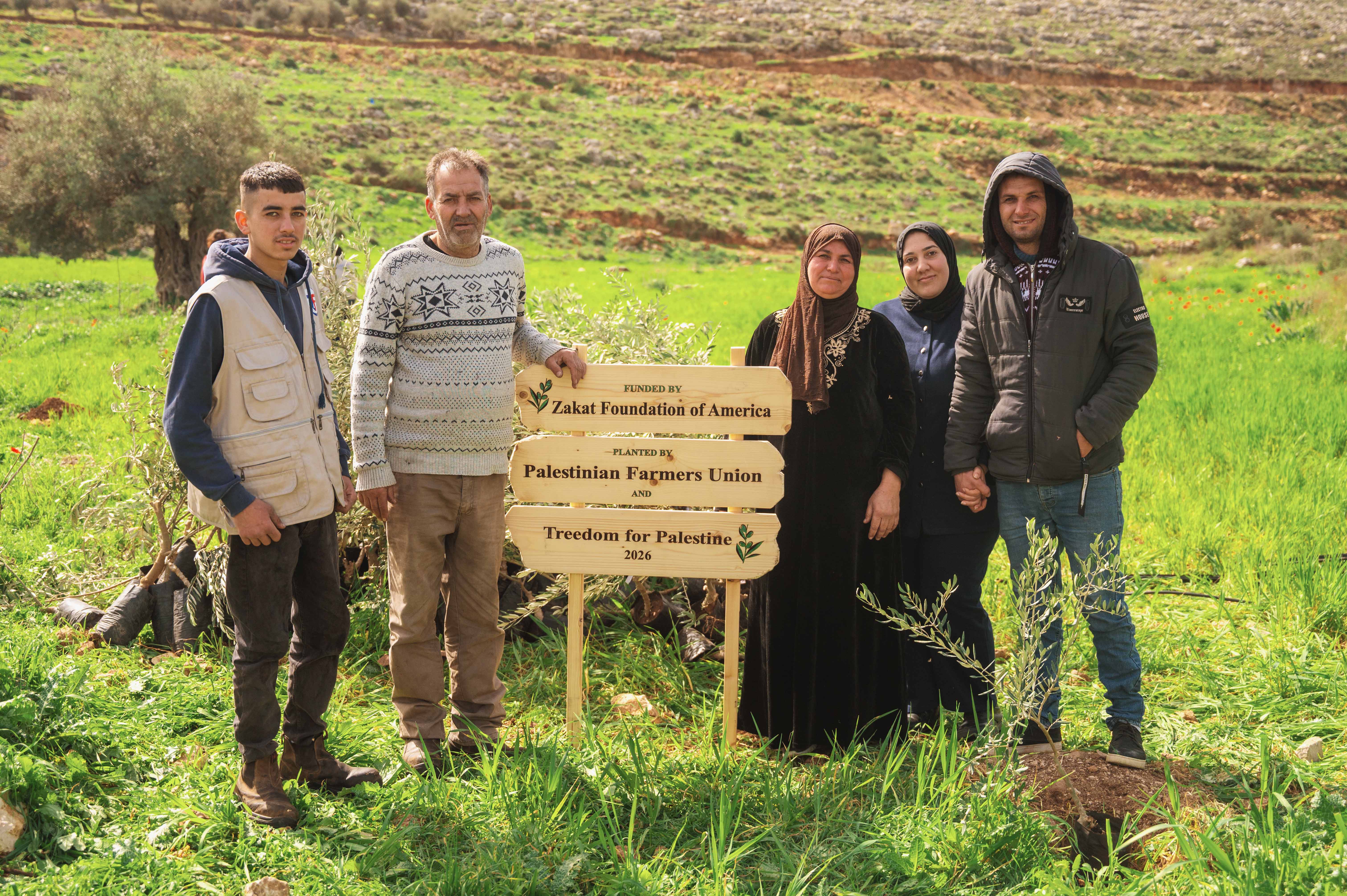
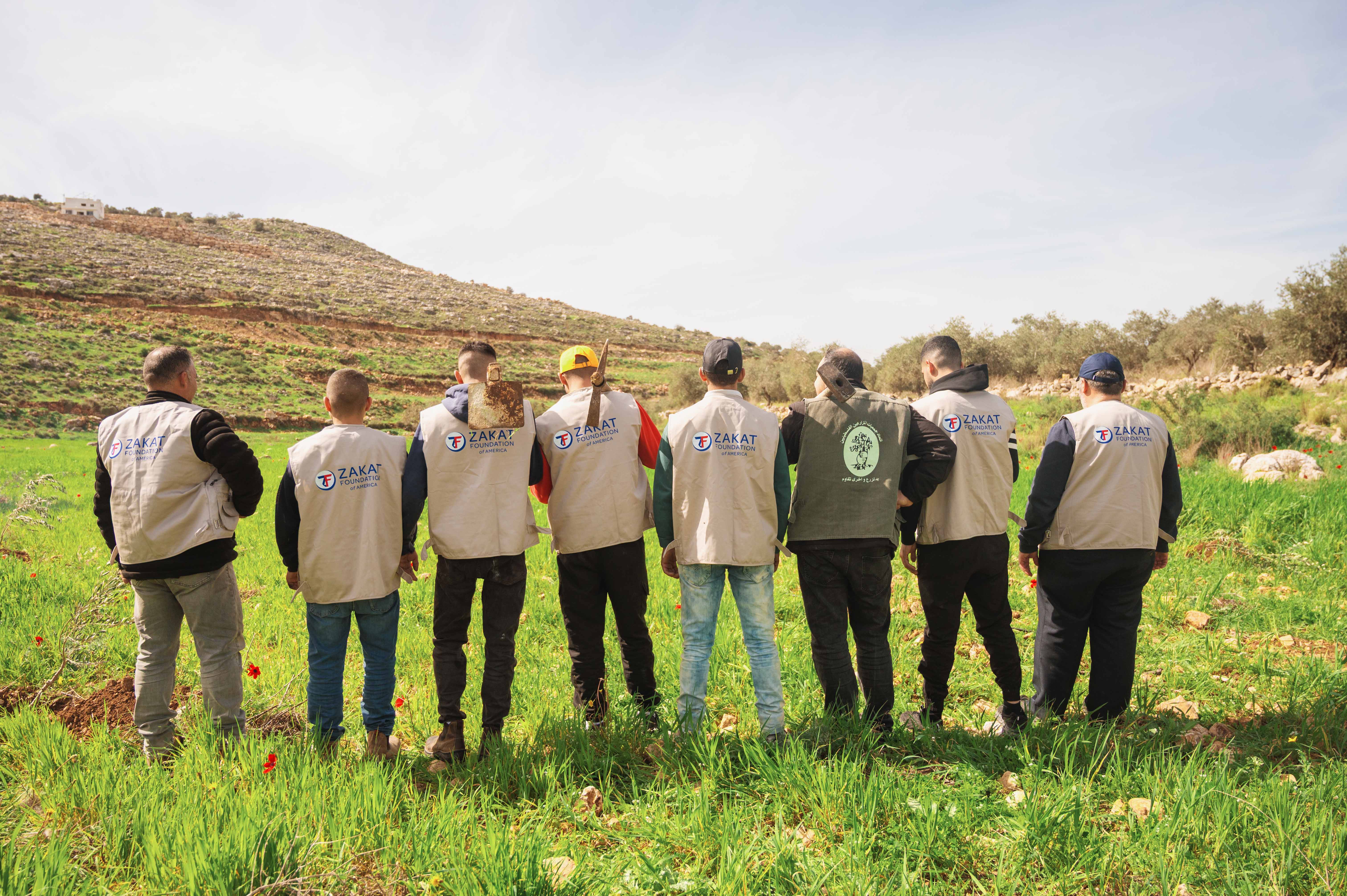
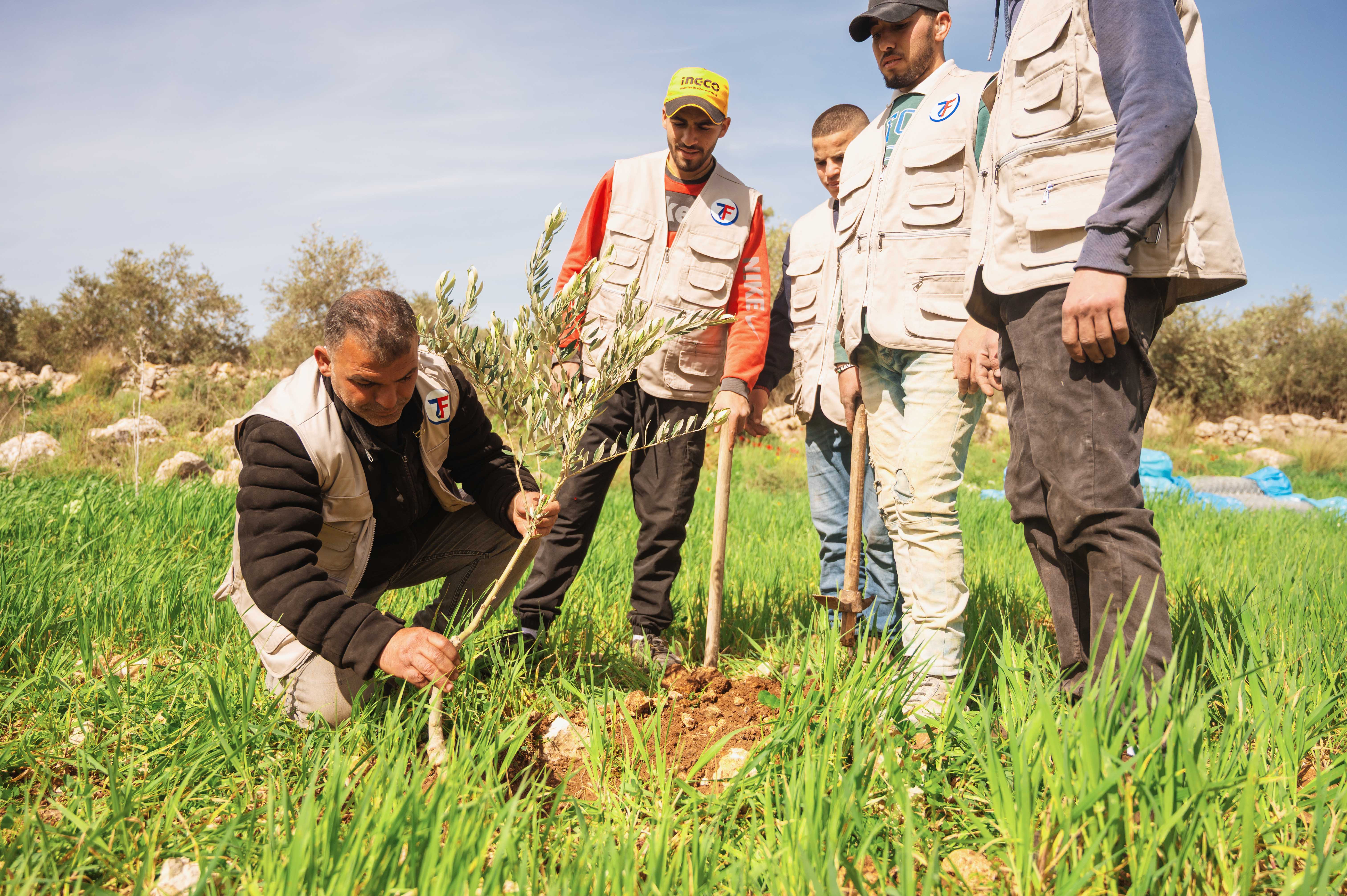
It is families like Amal’s that the Zakat Foundation of America is working to support through long-term, sustainable agriculture programs in Palestine. In partnership with the Palestinian Farmers Union, Zakat Foundation of America helped establish the Freedom Farms initiative, a livelihood restoration project designed to transform vulnerable land into productive, income-generating olive farms. 

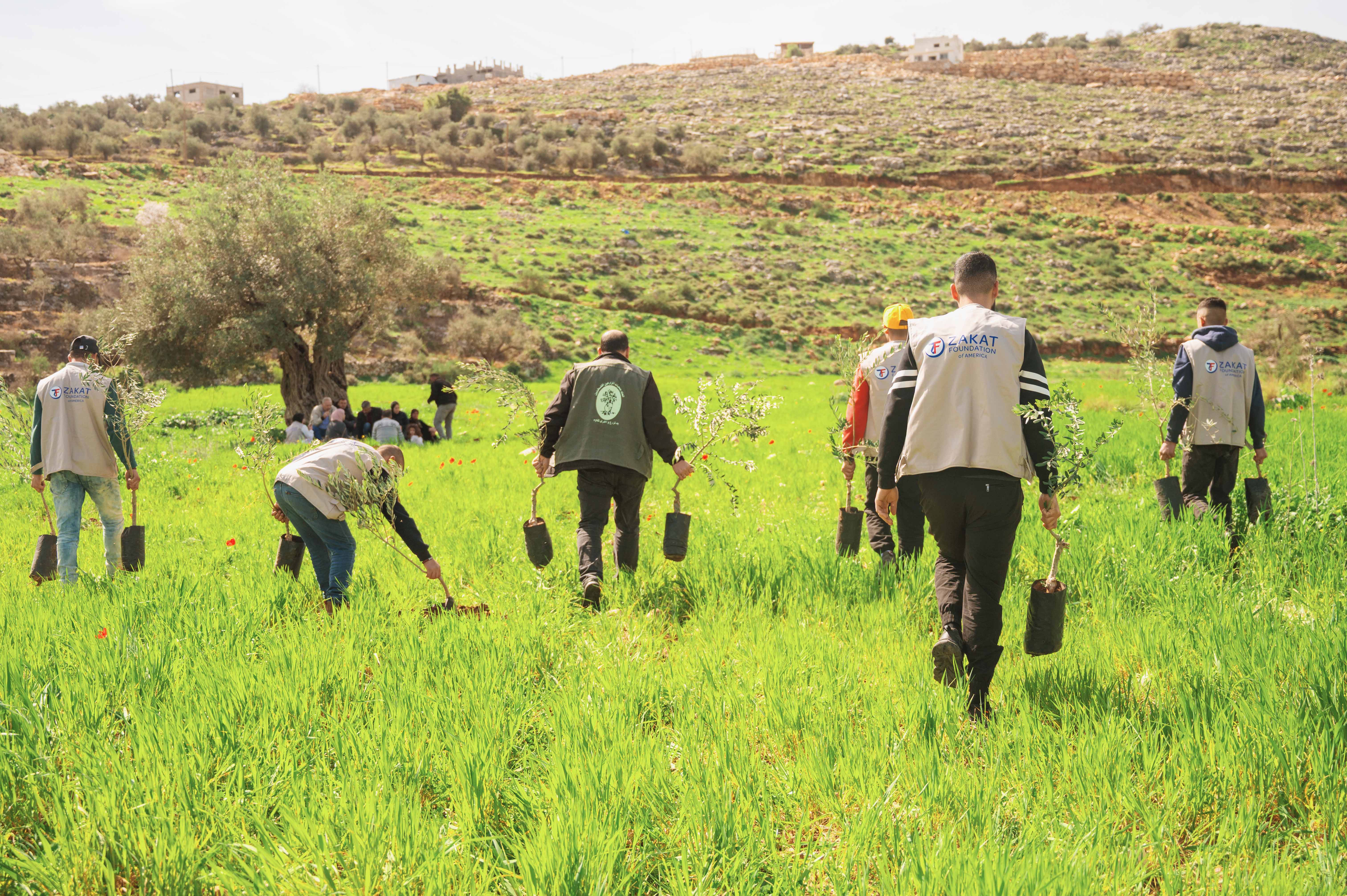
Across the West Bank, five Freedom Farms have now been fully established. Together, they have restored 50 dunams of land and planted 1,250 olive trees, alongside short-term crops that are already generating early income for families. These farms directly support 38 individuals, including 26 children, while approximately 300 additional community members benefit indirectly through local employment, increased food production, and improved access to agricultural markets. 

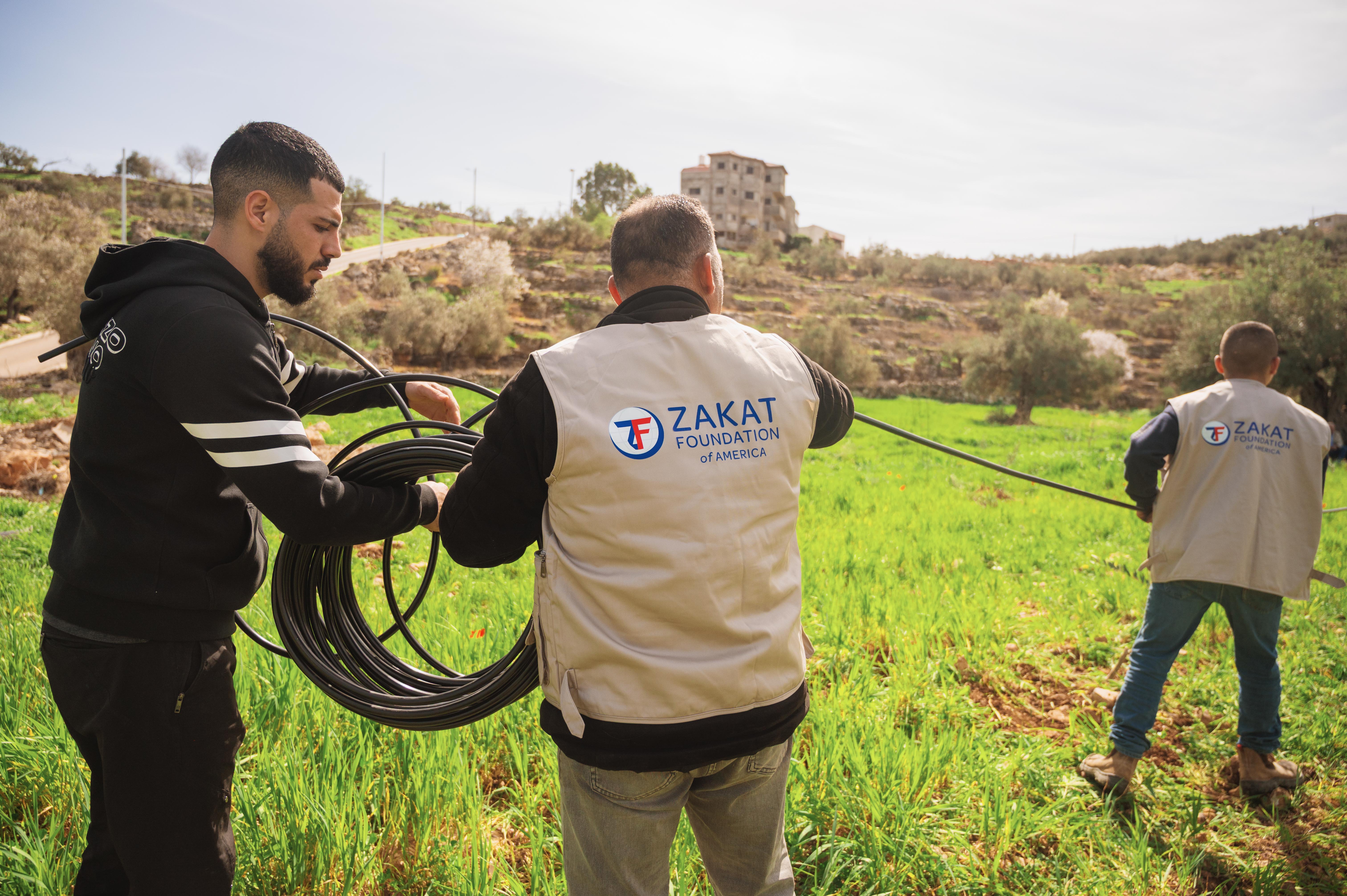
For Amal, the impact is immediate and long-term at the same time. Her farm now includes 250 olive trees, drip irrigation systems to conserve scarce water, protective fencing to safeguard her crops, and seasonal vegetables such as cauliflower and cabbage that provide essential short-term income. While her vegetables support today’s survival, her olive trees represent something far greater: a future that will continue to produce for decades. 

In Palestine, olive trees are more than agricultural assets; they are cultural heritage and economic lifelines. They anchor families to their land, provide sustainable income through olive oil production, and serve as one of the most resilient forms of agriculture in the region. For those seeking to support Palestine olive tree planting initiatives or sustainable livelihood programs, this model offers both immediate humanitarian relief and long-term economic empowerment. 

Importantly, 60% of the Freedom Farms are led by women, many of whom, like Amal, have stepped into agricultural leadership roles under difficult circumstances. These women are not only feeding their families, but they are also rebuilding local food systems and strengthening rural economies from the ground up. 

Unlike short-term aid, this project focuses on sustainable development. Each olive tree planted is an investment in future harvests. Each irrigation system installed reduces dependency on emergency relief. Each farm established becomes a foundation for generational resilience. This is what makes the Zakat Foundation of America’s approach to Palestine emergency relief distinct: it combines immediate humanitarian assistance with long-term livelihood creation. 

Amal’s story is still unfolding, but the direction has changed. Her land is no longer just a means of survival; it is becoming a source of stability. Support families like Amal’s through sustainable agriculture, food security, and long-term income generation. 

Give Today

Donate
Published: May 12, 2026
Categories: Stories, Palestine